
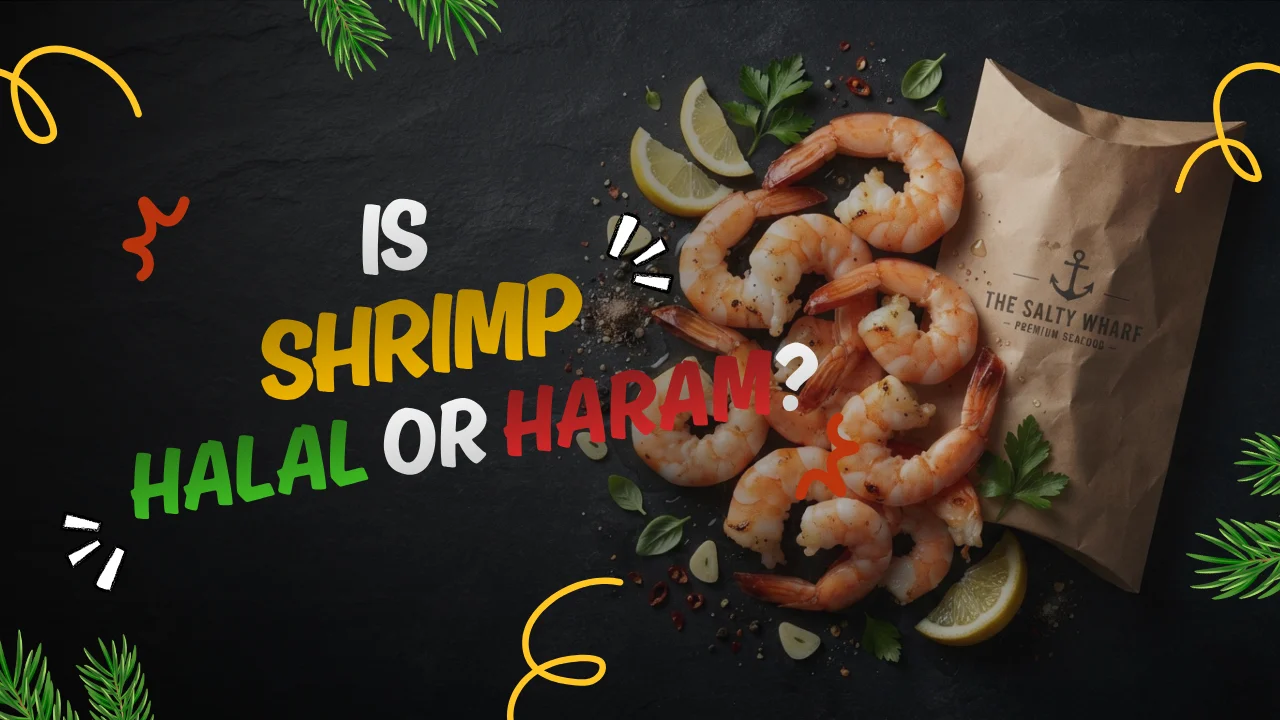
Is Shrimp Halal? Islamic Ruling on Eating Shrimp & Seafood
Shrimp has a genuinely interesting halal story, because the Hanafi position on it has actually shifted over time classical Hanafi jurisprudence restricted it, but most contemporary Hanafi scholars now permit it. This article breaks down the full picture across all four Sunni schools.
What Does Halal Mean?
Halal is an Arabic word meaning “permissible” under Islamic law. Sea creatures generally don’t require zabiha slaughter, but schools of Islamic jurisprudence disagree on which sea creatures qualify as permissible seafood in the first place. Shrimp is one of the more nuanced cases, since even within a single school, opinion has evolved.
Is Shrimp Halal? Quick Answer
Short answer: Yes, according to the overwhelming majority of scholars today, including most contemporary Hanafi authorities. The Shafi’i, Maliki, and Hanbali schools representing roughly 75% of the global Sunni Muslim population have always considered shrimp fully halal without conditions. Classical Hanafi jurisprudence was more restrictive, but major contemporary Hanafi institutions, including Darul Uloom Deoband, have issued fatwas permitting shrimp.
| Category | Status |
|---|---|
| Shafi’i School | Halal |
| Maliki School | Halal |
| Hanbali School | Halal |
| Classical Hanafi Position | Restrictive — makruh or not halal |
| Contemporary Hanafi Position | Generally permitted by most modern scholars |
| Requires Slaughter? | No |
Why Do Shafi’i, Maliki, and Hanbali Schools Permit Shrimp?
These three schools have always held a consistent, unconditional position: shrimp is fully halal. This is grounded in the broad Quranic verse on sea game (Surah Al-Ma’idah 5:96) and hadith indicating that all dead sea creatures are lawful. Since these three madhabs represent the large majority of the global Sunni Muslim population, this has effectively been the mainstream global position throughout Islamic history.
Why Was Classical Hanafi Jurisprudence More Restrictive?
The Hanafi school is traditionally the most conservative of the four Sunni schools regarding seafood, historically permitting only fish with scales as halal. Since shrimp is a shellfish without traditional fish scales, classical Hanafi scholars generally viewed it as not halal or at least discouraged (makruh), based on the principle that only scaled fish qualify as permissible sea creatures.
Why Has the Hanafi Position on Shrimp Changed?
This is genuinely important and often overlooked. Unlike crab or oysters, where the Hanafi restriction has remained largely consistent, shrimp specifically has seen a notable shift: the majority of modern Hanafi scholars now permit it. Major contemporary Hanafi institutions, including Darul Uloom Deoband one of the most influential Hanafi seminaries globally have issued fatwas specifically permitting shrimp, distinguishing it from other shellfish like crab or lobster in their more recent rulings.
Why Do Muslims Question Shrimp’s Halal Status?
- Confusion between classical and contemporary Hanafi positions — many people are only aware of the older, more restrictive ruling and haven’t heard about the modern shift
- Shrimp being grouped with other shellfish — some assume shrimp follows the exact same Hanafi ruling as crab or lobster, when contemporary scholarship has actually distinguished it
- Preparation and seasoning concerns — even where shrimp itself is accepted, dishes may involve alcohol-based sauces or shared non-halal cooking equipment
How to Decide Whether to Eat Shrimp
- If you follow Shafi’i, Maliki, or Hanbali fiqh, shrimp has always been considered halal without conditions
- If you follow Hanafi fiqh, check with a contemporary scholar or institution, since most modern Hanafi authorities now permit shrimp specifically
- If you’re following an older or more conservative Hanafi source, you may still encounter the classical restrictive position — consult your local imam for clarity
- Separately check any preparation method (breading, sauces, shared fryers) for halal compliance, as with any seafood dish
- Don’t automatically assume shrimp follows the same ruling as crab or other shellfish under your school — check the specific contemporary position
Read: Is NAYA Halal?
Read: Is Rice Wine Halal?
Read: Is Jollibee Halal?
Read: Is Seafood Halal?
Read: Is Horse Meat Halal?
Frequently Asked Questions
Conclusion
Shrimp is considered halal by the overwhelming majority of Muslims today. Key takeaways:
- Shafi’i, Maliki, Hanbali: Always halal, no conditions
- Classical Hanafi: Restrictive — makruh or not halal
- Contemporary Hanafi: Now generally permitted by most modern scholars, including major institutions like Darul Uloom Deoband
Shrimp represents one of the clearer examples of evolving contemporary Islamic scholarship, with most traditions today converging on permissibility.

2 Comments