
Is Calamari Halal? Islamic Ruling on Eating Squid & Calamari
Calamari (fried or prepared squid) follows the same madhab-dependent seafood pattern seen across most non-fish sea creatures, but there’s an added layer most people miss: the preparation and breading can introduce separate halal concerns beyond the squid itself. This article covers both.
What Does Halal Mean?
Halal is an Arabic word meaning “permissible” under Islamic law. Sea creatures generally don’t require zabiha slaughter, but Islamic schools disagree on which sea creatures qualify as permissible seafood. Beyond that base question, calamari specifically involves batter, breading, and frying oil each carrying its own separate halal considerations.
Is Calamari Halal? Quick Answer
Short answer: The squid itself is halal under most schools, but not under Hanafi fiqh — and preparation matters too. The Shafi’i and Hanbali schools broadly permit all sea creatures, making squid/calamari halal. The Hanafi school considers squid Makruh Tahrimi (prohibitively disliked) or haram, since only fish are considered halal seafood under that tradition. Separately, calamari preparation (batter, frying oil, dipping sauces) must also be checked for halal compliance.
| Category | Status |
|---|---|
| Shafi’i School | Halal |
| Hanbali School | Halal |
| Maliki School | Generally halal (broad seafood permission) |
| Hanafi School | Not halal — Makruh Tahrimi or haram |
| Requires Slaughter? | No |
| Preparation-Dependent? | Yes — batter, oil, and sauces need separate checking |
Why Do Most Schools Consider Squid Halal?
The Shafi’i school generally permits all sea creatures unless clear evidence prohibits them, and the Hanbali school takes a similarly broad permissive stance on seafood. Under these interpretations, squid — and therefore calamari — is halal as long as it’s prepared using halal ingredients and methods, since the underlying sea creature itself is permitted without restriction.
Why Does the Hanafi School Restrict Squid?
The Hanafi school again applies its narrower “fish only” standard to sea creatures. Under this tradition, squid consumption is considered Makruh Tahrimi (prohibitively disliked) or outright haram, since squid isn’t classified as a scaled fish. This is consistent with the same reasoning Hanafi scholars apply to shrimp, crab, oysters, and other non-fish seafood.
Why Does Calamari Preparation Matter Separately?
Even where the underlying squid is accepted as halal, calamari as a finished dish involves additional ingredients that need their own verification:
- Batter and breading — some batters use alcohol (such as beer batter) or non-halal additives
- Frying oil — shared fryers used for both halal and non-halal items (like pork-based foods) can raise cross-contamination concerns at non-halal-certified restaurants
- Dipping sauces — marinara, aioli, or specialty sauces served with calamari can contain wine, alcohol-based flavorings, or other questionable ingredients
This means “is calamari halal” genuinely has two layers: the squid itself, and everything else it’s prepared and served with.
Why Do Muslims Question Calamari’s Halal Status?
- The underlying madhab disagreement on squid — the same pattern seen with crab, shrimp, and oysters
- Restaurant preparation methods — shared fryers and alcohol-based batters or sauces are common at non-halal-certified restaurants
- Assuming “seafood” automatically means “no extra checking needed” — the finished dish often involves more than just the squid itself
How to Order Calamari Safely
- Identify which school of Islamic jurisprudence you follow regarding squid specifically
- If you follow Shafi’i, Maliki, or Hanbali fiqh, squid itself is generally halal — but still check preparation
- If you follow Hanafi fiqh, the more commonly recommended approach is to avoid squid/calamari
- Ask whether the batter contains beer or alcohol, and whether the frying oil is shared with pork products
- Check any dipping sauce separately for wine or alcohol-based ingredients
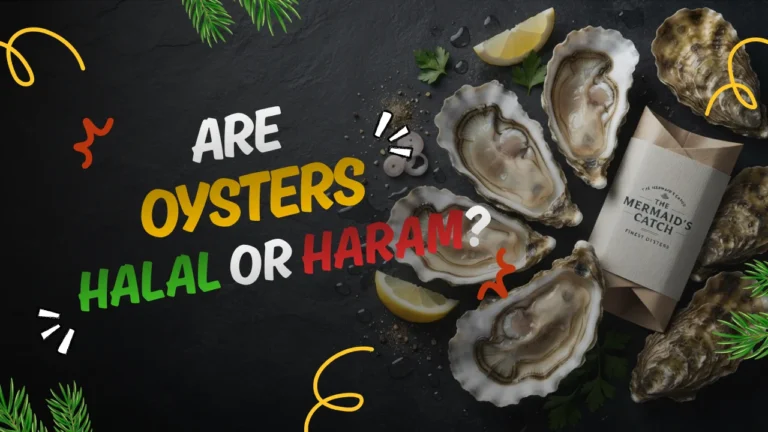
Read: Are Oysters Halal?
Read: Is Crab Halal?
Read: Is Perdue Chicken Halal?
Read: Are Jolly Ranchers Halal?
Read: Is Raising Cane’s Halal?
Frequently Asked Questions
Conclusion
Calamari’s halal status depends on two separate questions: your school’s ruling on squid, and how the specific dish is prepared. Key takeaways:
- Shafi’i, Maliki, Hanbali: Squid/calamari is generally halal
- Hanafi: Squid/calamari is generally not halal
- Preparation always matters: Check batter, frying oil, and sauces for alcohol or cross-contamination regardless of your school’s base ruling
Follow your own school’s guidance on squid, and always verify preparation details when ordering calamari at a restaurant.

One Comment