
Is Rabbit Halal? Islamic Ruling on Eating Rabbit Meat
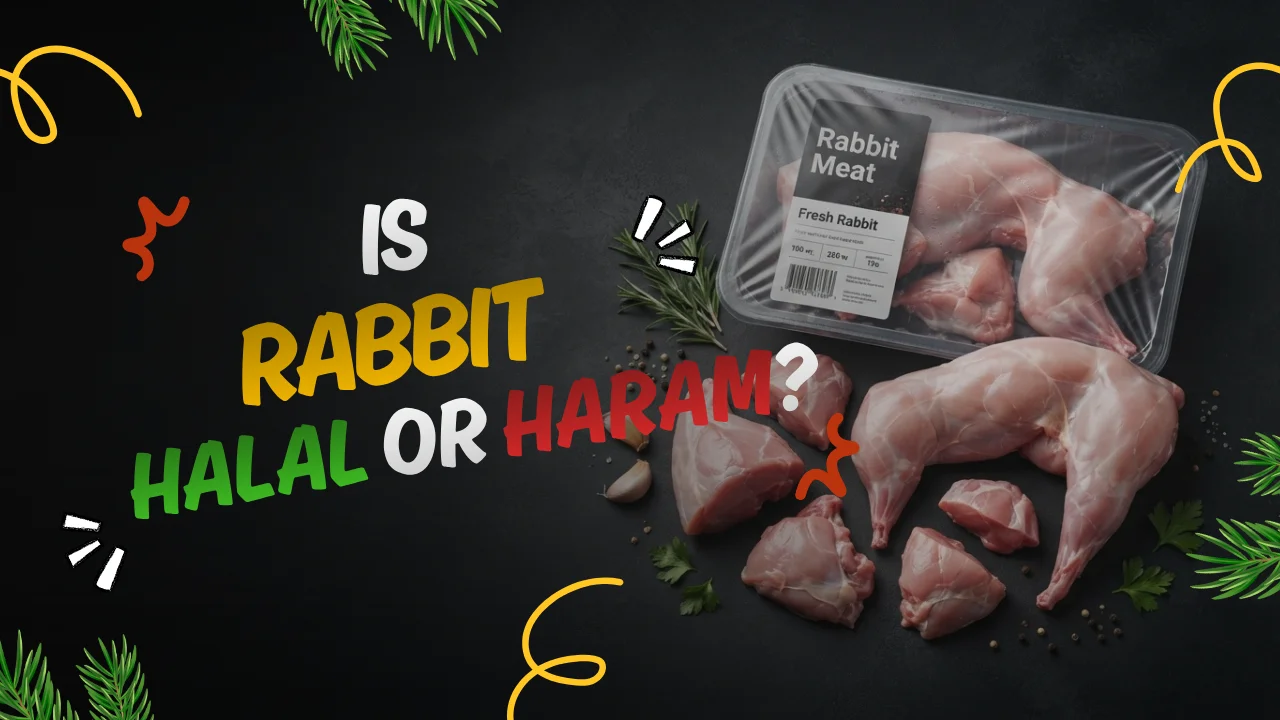
Rabbit is a genuinely reassuring, unanimous ruling permitted by hadith with a specific, named historical account of the Prophet Muhammad personally accepting rabbit meat. This article covers the textual evidence and what’s required for rabbit meat to be considered halal in practice.
What Does Halal Mean?
Halal is an Arabic word meaning “permissible” under Islamic law. For rabbit, being an inherently permissible species is well-established through direct hadith evidence the remaining practical requirement, as with any halal land animal, is that it must be properly zabiha-slaughtered for the resulting meat to be considered halal.
Is Rabbit Halal? Quick Answer
Short answer: Yes, rabbit is halal by consensus across all four Sunni schools of thought. Eating rabbit is halal and has been specifically mentioned in hadith narrations found in Sahih al-Bukhari and Sahih Muslim. There’s no explicit prohibition against rabbit in the Quran, and the strongest evidence comes from a direct hadith account involving the Prophet Muhammad himself.
| Category | Status |
|---|---|
| Rabbit as a Species | Halal — consensus across all four Sunni schools |
| Quranic Prohibition? | None |
| Hadith Evidence | Direct, specific account in Sahih al-Bukhari |
| Requires Zabiha Slaughter? | Yes, like any halal land animal |
What Is the Specific Hadith Evidence for Rabbit Being Halal?
The evidence here is unusually direct and specific, not inferential. The strongest evidence comes from the hadith of Anas ibn Malik: Anas reported that they chased a rabbit at Mar-al-Zahran, and after capturing it, Abu Talha slaughtered it and sent its meat to the Prophet Muhammad, who accepted it. This account is narrated in Sahih al-Bukhari, one of the most authoritative hadith collections in Islam, making rabbit’s permissibility grounded in a specific historical event involving the Prophet’s own acceptance of the meat, rather than a general inference from broader dietary principles.
Why Do Scholars Confirm Rabbit Is Halal Beyond This Hadith?
Beyond the direct hadith evidence, scholars also point to rabbit’s biological characteristics as consistent with the broader Islamic dietary framework. Rabbits are herbivorous grazing animals that don’t hunt or consume other creatures, distinguishing them from predatory animals that are generally prohibited. Combined with the absence of any Quranic prohibition and the specific hadith evidence, this creates a strong, largely unanimous basis for rabbit’s halal status across all four Sunni schools the Hanafi school specifically permits rabbit consumption, as does the Maliki school, alongside general agreement from Shafi’i and Hanbali positions.
Does Rabbit Still Need to Be Zabiha-Slaughtered?
Yes, this requirement applies the same way it does to any other halal land animal. Like all halal animals, the rabbit must be slaughtered according to proper Islamic guidelines (zabiha) for the meat to be considered truly halal meaning being an inherently permissible species doesn’t automatically make any specific piece of rabbit meat halal without the proper slaughter method also being followed.
Why Do Muslims Sometimes Still Question Rabbit’s Halal Status?
- General unfamiliarity with rabbit as a commonly consumed meat — in many Muslim-majority regions, rabbit isn’t a mainstream dietary staple the way lamb, beef, or chicken are, leading to less familiarity with its specific ruling
- Some cultural or regional traditions avoid rabbit for non-religious reasons — this can sometimes be mistakenly conflated with a religious prohibition that doesn’t actually exist
- Confusion with the general species-versus-slaughter-method distinction — as with lamb, beef, and other halal animals, the species being permissible doesn’t automatically mean any specific piece of meat is halal without proper zabiha slaughter
How to Buy or Prepare Halal Rabbit
- Understand that rabbit as a species is halal by consensus, grounded in specific and direct hadith evidence
- Ensure the rabbit was zabiha-slaughtered, the same requirement that applies to any halal land animal
- Look for halal certification if purchasing pre-prepared or processed rabbit products
- If preparing rabbit yourself from a live or freshly slaughtered source, follow the standard zabiha requirements invocation of Allah’s name, swift throat incision, full blood drainage
- Don’t confuse cultural unfamiliarity with rabbit as a religious restriction the ruling itself is well-established and largely unanimous
Read: Is Calamari Halal?
Read: Are Oysters Halal?
Read: Is Crab Halal?
Read: Is Perdue Chicken Halal?
Read: Are Jolly Ranchers Halal?
Frequently Asked Questions
Conclusion
Rabbit is halal a well-established, largely unanimous ruling grounded in specific hadith evidence involving the Prophet Muhammad himself. Key takeaways:
- Rabbit as a species: Halal by consensus across all four Sunni schools
- Direct hadith evidence: The Anas ibn Malik account in Sahih al-Bukhari
- Zabiha slaughter still required: Being a permissible species doesn’t bypass the standard slaughter requirement for any specific piece of meat
Rabbit can be eaten with confidence, provided it’s properly zabiha-slaughtered, just like any other halal land animal.

2 Comments